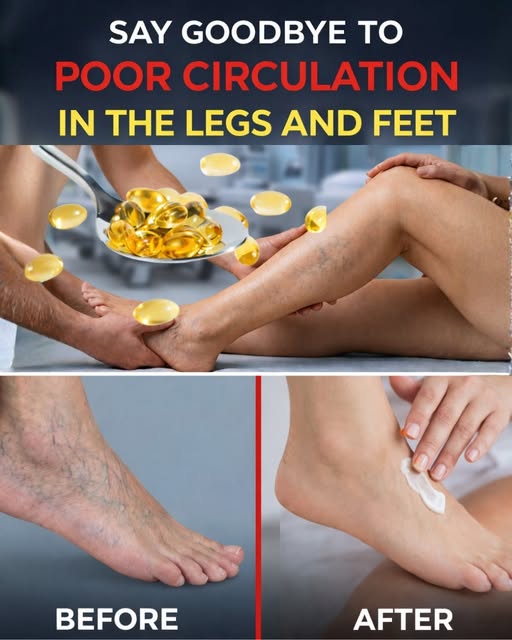
Have you ever felt your legs so heavy that even climbing a few steps feels like a struggle? That end-of-day swelling, the subtle tingling after sitting too long, or the deep, unexplained ache that comes and goes—many people blame it on “getting older.” But there is often more happening beneath the surface.
Now imagine how it would feel to have lighter legs again, better oxygenation, and smoother blood flow without constant discomfort. What if a simple, widely available vitamin could play a supportive role in that process?
Researchers and people over 45 alike are paying close attention to vitamin E, a nutrient with a long history and growing interest in circulatory health. It’s not trendy or exotic—chances are you already consume it, just not always in the right amounts.
Before understanding how it may help, it’s important to look at the real problem.

The Hidden Problem Behind Heavy Legs
Blood clots and circulation issues in the legs rarely appear overnight. They often develop silently, without sharp pain or obvious warning signs. This makes them particularly risky.
Common early signals include:
-
A feeling of heaviness or pressure
-
Nighttime leg cramps
-
Swelling in the ankles or calves
-
Darkened patches of skin
-
More visible or bulging veins
Poor circulation doesn’t only affect walking. It can drain energy, disrupt sleep, and in serious cases lead to dangerous complications if a clot travels to the lungs. That’s why prevention matters.
So what causes this blood stagnation—and how could a vitamin help from the inside?
Why Vitamin E Is Getting Attention
Vitamin E is known primarily as an antioxidant, but its role goes beyond skin health. Research suggests it may:
-
Support healthier blood flow
-
Reduce oxidative stress in blood vessels
-
Help maintain arterial flexibility
It’s a vitamin many people already consume, yet often below optimal levels—especially as needs increase with age.
Below are seven key benefits, explained clearly and practically.
Benefit 7: A Vitamin With History—and an Intriguing Case
María, 62, used to end each day with painfully swollen legs. Her doctor explained that her circulation was affected by oxidized fats forming small “blockages” in her arteries.
Vitamin E, thanks to its antioxidant action, may help prevent fats from becoming sticky and contributing to plaque buildup. After adjusting her diet to include more natural sources of vitamin E, María noticed something unexpected: walking felt easier, with less heaviness.
Coincidence? Maybe—but her experience reflects what science has been exploring for years.
Benefit 6: May Act as a Gentle Natural Blood Thinner
Several studies indicate that vitamin E may have a mild anticoagulant effect. In simple terms, it could help prevent blood from becoming overly thick.
Imagine water flowing through a clean pipe—no resistance, no blockage. That’s the goal for circulation in your legs. Better flow often means less pressure, less swelling, and a noticeable sense of lightness.
Benefit 5: Extra Support for Tired Leg Muscles
Unexplained muscle fatigue is common with age. Oxidative stress plays a major role here.
Vitamin E may help reduce this stress, allowing muscles to recover more efficiently after movement. Ana, 58, noticed her legs burned less after short walks once she improved her intake of vitamin-E-rich foods.
Small change, meaningful difference.
Benefit 4: May Help Blood Vessels Relax
Healthy circulation depends on flexible blood vessels. Vitamin E may support the production of nitric oxide, a molecule that helps vessels widen.
Wider vessels mean:
-
Better blood flow
-
Less internal pressure
-
Reduced swelling
This simple chain reaction can have a powerful effect on daily comfort.
Benefit 3: Potential Protection Against Inflammation
Chronic inflammation can stiffen arteries and restrict blood flow. Vitamin E’s anti-inflammatory properties may help counter this process.
This is especially relevant for people with conditions like osteoarthritis or rheumatoid arthritis, where reduced inflammation often leads to better mobility—and that includes the legs.
Benefit 2: May Strengthen Capillary Walls
Capillaries are tiny but essential. They deliver oxygen and nutrients throughout the legs.
Vitamin E may help reinforce these delicate vessels, reducing fluid leakage that leads to swelling. This benefit is particularly helpful if you spend long hours standing or sitting.
Benefit 1: The Potentially Life-Changing Benefit
Here’s the point many people care most about: vitamin E may help reduce the formation of dangerous blood clots.
It is not a cure and not a replacement for medication, but its antioxidant action and influence on blood flow have made it the focus of numerous studies. Supporting your body from within can bring peace of mind—and long-term benefits.
Foods Rich in Vitamin E to Include
-
Vegetable oils: sunflower, wheat germ, soybean
-
Nuts and seeds: almonds, hazelnuts, sunflower seeds
-
Fruits & greens: avocado, mango, kiwi, leafy greens
-
Animal sources: eggs, fish such as salmon
Comparison of Foods and Benefits
| Food | Vitamin E Content | Potential Benefit |
|---|---|---|
| Almonds | High | Supports circulation, antioxidants |
| Wheat germ oil | Very high | May improve arterial flexibility |
| Avocado | Moderate | Supports muscle energy |
| Salmon | Low–moderate | Provides omega-3s for vessel health |
How to Use Vitamin E Safely
Every body is different, and balance matters.
| Recommendation | Details |
|---|---|
| Best source | Prioritize natural foods |
| Supplements | Consult a professional first |
| Precautions | Excess may increase bleeding risk |
| Storage | Keep oils cool and away from light |
Your Next Steps
To support circulation:
-
Move regularly
-
Stay hydrated
-
Avoid long periods of inactivity
-
Add vitamin-E-rich foods to your meals
Roberto, 67, added a handful of almonds each afternoon. Over time, his legs felt less sore after walks. Not magic—just consistency.
If you take blood thinners or have existing conditions, professional guidance is essential.
Final Thoughts & Call to Action
Your legs carry you every day. Caring for them can transform your energy, mobility, and overall well-being.
Don’t wait for pain to become a warning sign. Start with one small change today. Share this information with someone who struggles with heavy, swollen, or tired legs—it could truly make a difference.
P.S. A simple tip few people know: just one tablespoon of sunflower seeds at breakfast can provide more vitamin E than you might expect.
This article is for informational purposes only and does not replace professional medical advice. Always consult a qualified healthcare provider for personalized guidance.