
This is the plant that is taking patients away from ophthalmologists, as millions of people who used glasses and suffered from cataracts are improving their vision with this natural remedy.
Staring at screens for hours leaves your eyes tired, dry, and blurry by the end of the day. Over time that constant strain can speed up age-related vision decline, make cataracts more likely, and leave you reaching for stronger glasses far sooner than you’d like. The worst part? Most eye drops and supplements only mask the symptoms instead of tackling the real problem hiding deep inside your eyes. But what if a simple kitchen herb—used for centuries in traditional medicine—could help protect and even rejuvenate your vision the natural way? Keep reading, because the science behind this plant is more impressive than most people realize.
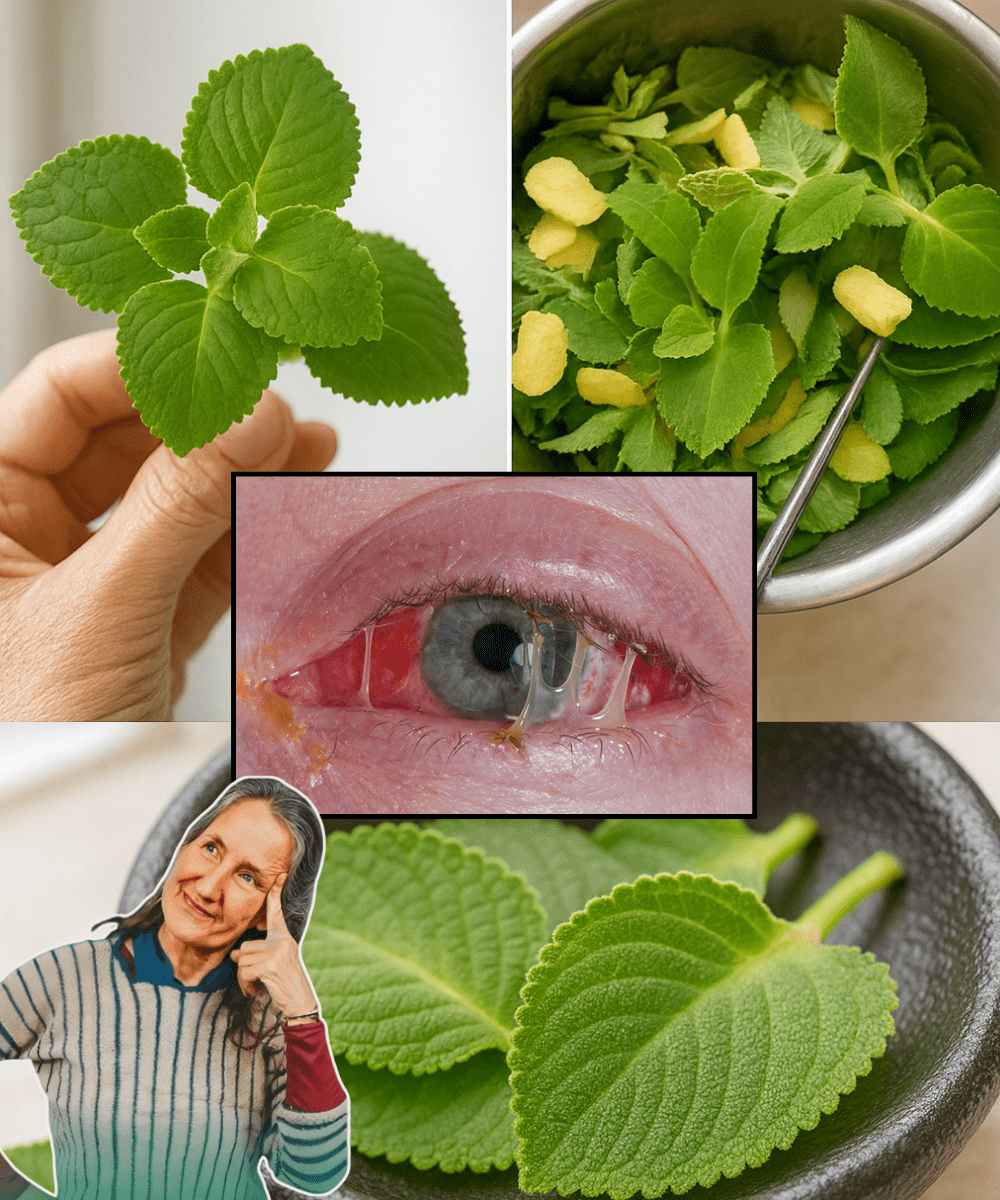
What Exactly Is Oregano Orejón?
Oregano Orejón (Plectranthus amboinicus), also called Cuban oregano, Indian borage, or Mexican mint, is a thick-leaved succulent herb that smells stronger and sweeter than the regular pizza oregano you know. Native to southern and eastern Africa, it spread across Latin America, the Caribbean, and Asia where traditional healers have prized it for generations.
Its secret? An unusually high concentration of carotenoids (the same compounds that make carrots famous for eye health), polyphenols, rosmarinic acid, and powerful essential oils like carvacrol and thymol.
Research published in the Journal of Food Science and Pharmacology and Biomedical Analysis shows these compounds deliver strong antioxidant and anti-inflammatory effects—exactly what delicate eye tissues need in today’s polluted, blue-light-heavy world.
How Oregano Orejón Supports Healthier Eyes (Backed by Science)
Here’s why eye-health enthusiasts are suddenly talking about this herb:
- Fights oxidative stress in the retina – Studies show the antioxidants in Plectranthus amboinicus neutralize harmful free radicals that damage retinal cells and contribute to macular degeneration.
- Rich in lutein and zeaxanthin – Two carotenoids proven to filter high-energy blue light and protect the macula (the part of your eye responsible for sharp central vision).
- Reduces inflammation – Chronic low-grade inflammation is a known factor in cataract formation and diabetic retinopathy. The herb’s natural compounds help calm that inflammation gently.
- Improves microcirculation – Better blood flow to the eyes means more oxygen and nutrients reach the retina and optic nerve.
And that’s just for your eyes. The same plant has been shown in clinical reviews to support respiratory health, ease joint pain, and strengthen immune response—making it a true whole-body herb.

5 Everyday Ways to Add Oregano Orejón to Your Routine
Ready to give your eyes (and the rest of you) a natural boost? These methods are simple, inexpensive, and take almost zero extra time.
1. Daily Oregano Orejón Tea (the easiest habit)
- Take 4–6 fresh leaves (or 1 teaspoon dried)
- Rinse well and lightly crush to release the oils
- Steep in 1 cup of hot (not boiling) water for 8–10 minutes
- Add a touch of honey or lemon if you like
- Drink once daily, preferably in the morning
Most people notice their eyes feel less strained within 2–3 weeks of daily use.
2. Refreshing Eye Compress (perfect after long screen days)
- Boil 2 cups of water with 5–6 fresh leaves for 5 minutes
- Let it cool to a comfortable warm temperature
- Soak a clean washcloth, wring it out, and place over closed eyes for 5–7 minutes
- Do this 3–4 times a week
The steam carries volatile oils that soothe redness and tiredness almost instantly.
3. Add Fresh Leaves to Meals
Throw chopped leaves into:
- Soups and stews (last 5 minutes of cooking)
- Green salads
- Smoothie bowls
- Guacamole or salsa
The flavor is bold and slightly minty—think oregano meets mint—so start with just 2–3 leaves and adjust to taste.
4. Oregano Orejón-Infused Oil (for cooking or massage)
- Fill a clean jar with fresh leaves
- Cover completely with extra-virgin olive oil
- Let sit in a sunny window for 2 weeks, shaking daily
- Strain and store in the fridge for up to 1 month
Use it as a finishing oil on roasted vegetables or massage a drop (diluted) around the temples for tension relief.
5. Combine with Other Eye-Friendly Foods (the synergy trick)
Pair the herb with foods already rich in vision nutrients:
- Spinach or kale → more lutein
- Wild salmon or sardines → omega-3s
- Eggs → extra zeaxanthin
- Sweet potatoes → vitamin A
The combination multiplies the protective effect.
How Long Until You Notice a Difference?
Most people report clearer, less tired eyes within 2–4 weeks when using the herb daily. Of course, results vary depending on age, diet, and how much screen time you have—but the feedback from traditional communities that have used it for generations is overwhelmingly positive.

Frequently Asked Questions
Is Oregano Orejón the same as regular oregano?
No. Regular oregano (Origanum vulgare) is great for cooking, but Plectranthus amboinicus has thicker leaves and much higher levels of eye-protecting carotenoids and antioxidants.
Can I use it if I’m pregnant or breastfeeding?
Always check with your healthcare provider first. While it’s generally considered safe in culinary amounts, concentrated forms (like essential oil) should be avoided during pregnancy.
Where can I buy Oregano Orejón?
Look for it as “Cuban oregano,” “Indian borage,” or “Mexican mint” at Latin or Asian grocery stores, or grow it yourself—it’s incredibly easy and thrives in pots.
Final Thought
You don’t have to accept declining vision as “just part of getting older.” Small, consistent habits—like sipping a simple cup of Oregano Orejón tea or tossing a few leaves into dinner—can give your eyes the natural protection they desperately need in our screen-filled world.
Start tonight. Your eyes will thank you tomorrow.
Disclaimer: This article is for informational purposes only and is not intended to diagnose, treat, cure, or prevent any disease. Always consult your healthcare professional before adding new herbs to your routine, especially if you are pregnant, nursing, or taking medication.